 ultimate-guide
What It Really Costs to Resurface a Swimming Pool
Last Updated: October 31, 2026
Quick Summary
The average cost to resurface swimming pool surfaces depends on square footage, surface condition, finish choice, and labor, so there is no single number. Installed finishes range from $4 to $7 per square foot for plaster up to $15 to $25 or more for full tile. Always convert bids to cost per square foot and cost per year of service life.
- Surface area drives material volume and labor hours more than the finish name does.
- Plaster lasts 7 to 12 years, while pebble lasts 15 to 20 or more years.
- A $9 pebble finish lasting 18 years costs about $0.50 per square foot per year.
- Ask whether draining, refilling, and startup chemicals are included in the quote.
- Book in the shoulder season for more contractor availability and less swim time lost.
Table of Contents
- What Drives the Average Cost to Resurface a Swimming Pool
- Pool Resurfacing Cost by Material: Plaster, Pebble, Aggregate, and Tile
- Your Pool Resurfacing Estimate Checklist
- How Long Does Pool Resurfacing Take, Start to Finish
- The Best Time of Year to Resurface a Pool
- Repair or Resurface First? Deciding What Your Pool Needs
- Frequently Asked Questions
What Drives the Average Cost to Resurface a Swimming Pool
The average cost to resurface swimming pool surfaces is not a single number. It is the sum of four moving parts: surface square footage, the condition underneath, the finish you choose, and the labor to remove the old surface.
Most homeowners shop by finish first and size second. It should be the other way around. A small pool with a premium finish often costs less than a large pool with a basic one, because surface area drives material volume and labor hours more than the finish name does.
Pool Size and Square Footage
Surface area is the foundation of every resurfacing estimate. Contractors price most of this work by the square foot, because material coverage, prep time, and finishing labor all scale with area. A typical residential pool runs from a few hundred to roughly a thousand square feet of water surface, depending on length, width, and whether there are sun shelves, spas, or integrated benches.
Ask the contractor to state the square footage they priced on the written estimate, then compare it to your own measurement. Custom shapes and attached spas add complexity, which shows up as labor, not just material.
Surface Condition and Prep Work
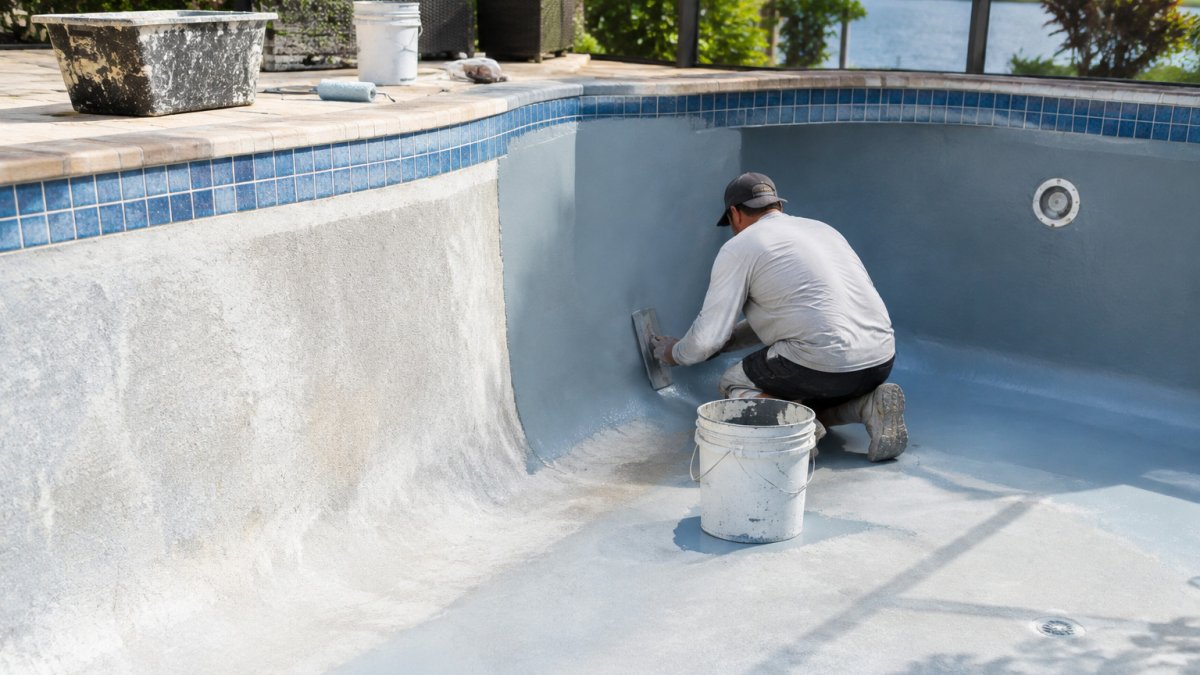
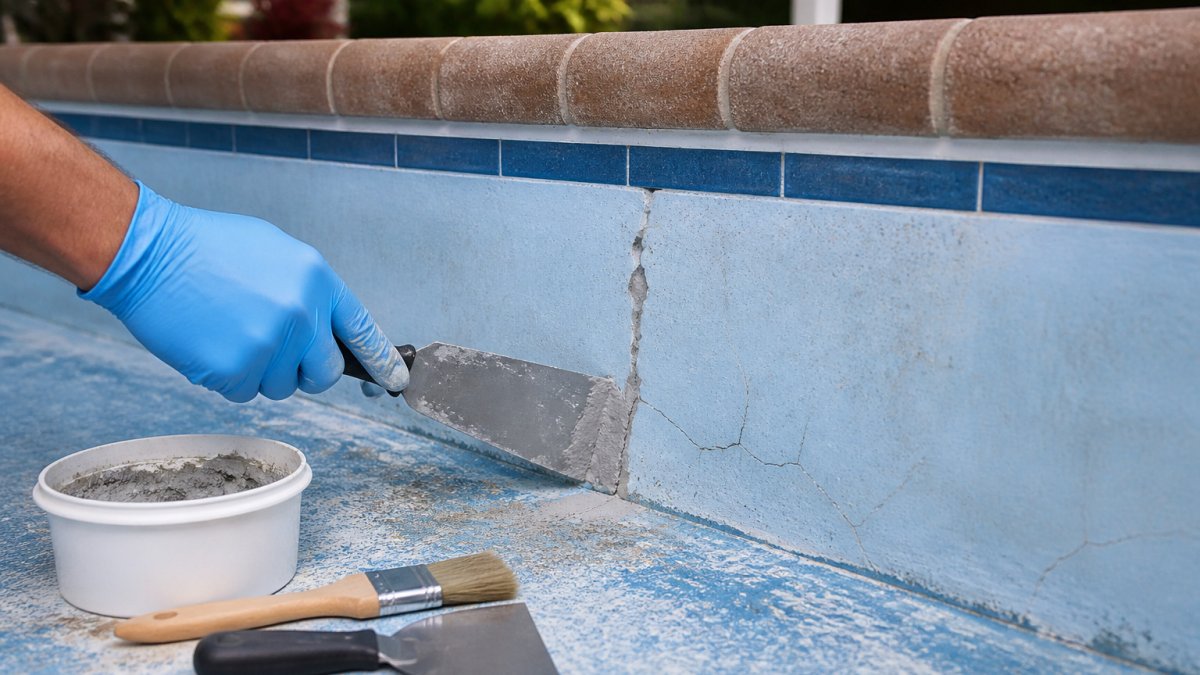
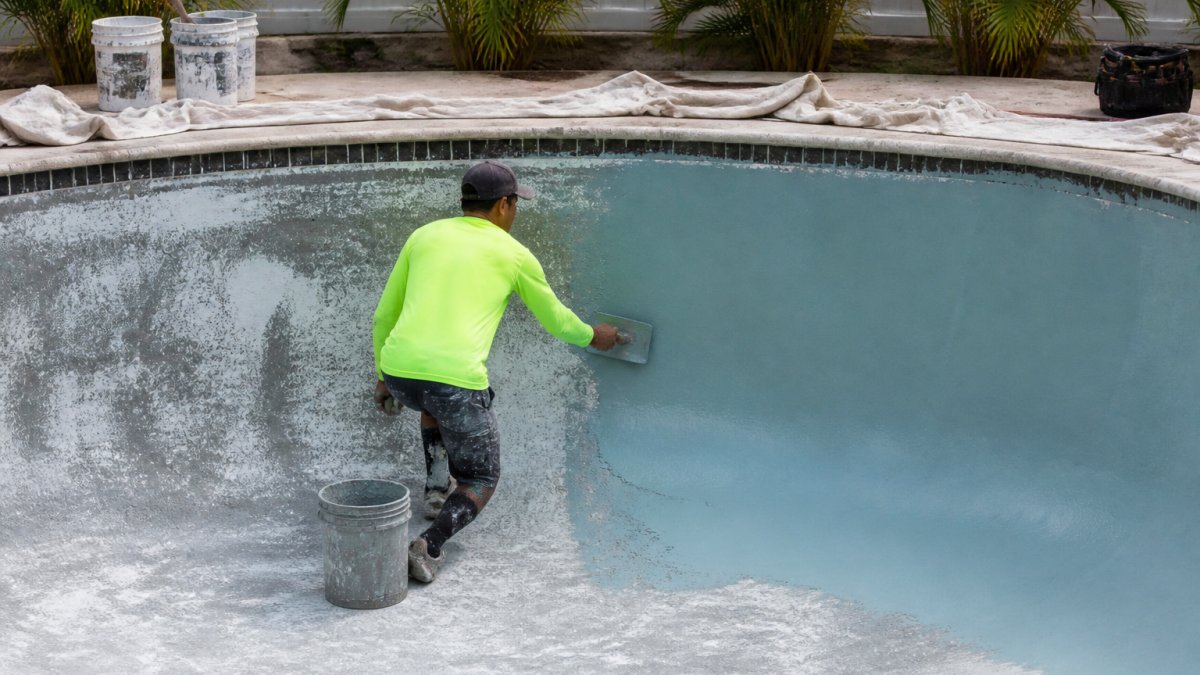
Two pools of identical size can land at very different prices because of what the surface is doing. A faded finish needs a lighter prep pass. A finish that is chalking, flaking, or delaminating needs aggressive removal, and hollow spots must be chipped out and patched before the new surface goes on.
A quote that lists a finish and a total but says nothing about surface preparation is not complete. Ask what prep is included and what triggers an additional charge once the pool is drained.
Pool Resurfacing Cost by Material: Plaster, Pebble, Aggregate, and Tile
Pool resurfacing cost depends heavily on material, which is one of the main factors after square footage. Each finish has a different material cost, installation method, and service life, so compare on cost per year of service life rather than sticker price alone.
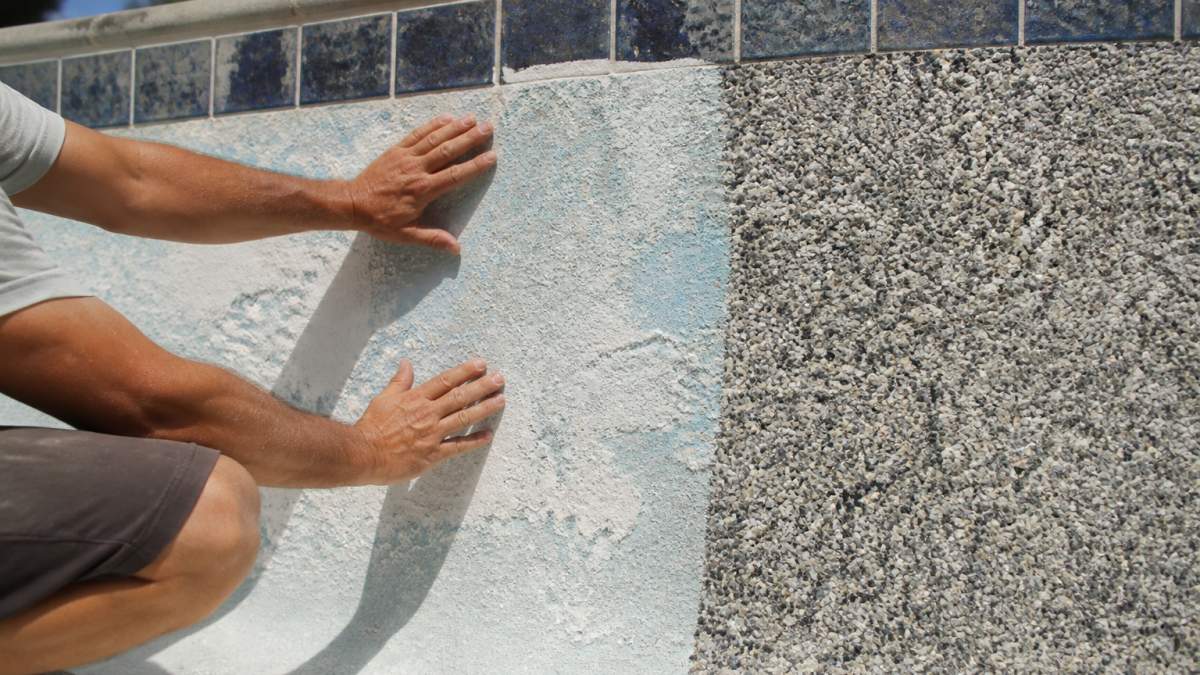
Pricing for resurfacing depends on the finish, the square footage, the prep required, and what the old surface reveals once drained. For current prices or a quote for your pool, contact PoolRepairs directly.
| Finish | Installed Cost per Sq Ft | Expected Service Life | Maintenance Profile | Best For |
|---|---|---|---|---|
| Plaster (white or colored) | $4-$7 | 7-12 years | Most chemistry-sensitive; needs consistent brushing and balanced water to avoid etching and staining | Tight budgets, quick turnaround, traditional look |
| Quartz aggregate | $6-$9 | 10-15 years | Harder than plaster; tolerates chemistry swings better and resists staining | Mid-range durability with a smoother feel than pebble |
| Pebble | $8-$12 | 15-20+ years | Hardest and longest-wearing; textured underfoot and less prone to chalking | Long-term ownership, heavy use, high-traffic pools |
| Glass or glass-bead blend | $10-$15 | 15-20+ years | Smooth, stain-resistant, and color-stable; premium material cost | Owners prioritizing feel and color retention |
| Tile (full surface) | $15-$25+ | 20+ years | Durable and easy to clean, but grout lines need attention and installation is labor-intensive | Feature walls, waterline accents, high-end builds |
Ask each contractor to quote the same finish on the same square footage, and ask what the price includes at the edges, such as waterline tile, coping, and any spa or sun shelf.
Your Pool Resurfacing Estimate Checklist
A pool resurfacing estimate checklist turns a vague number into a scope you can compare line by line. Use it before you sign anything, and use it to force every bidder onto the same footing.
What a Good Quote Itemizes
- Measured square footage of the pool surface
- Finish product by name and manufacturer
- Surface preparation scope: draining, chipping, patching, acid wash
- Repair allowance for cracks, hollow spots, and delamination
- Tile and coping work, listed separately
- Deck work, if any, listed separately
- Draining and refilling responsibility
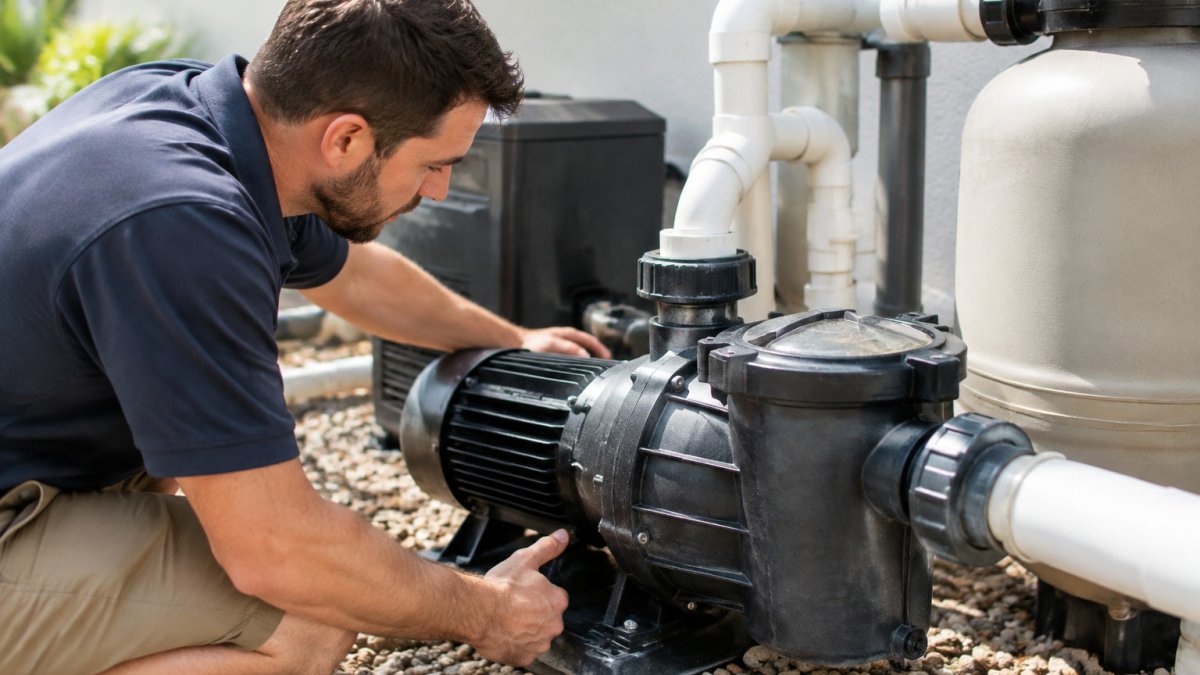
- Pump and filter protection during the project
- Start date and expected days to complete
- Payment schedule tied to milestones, not to the calendar
- Written change-order process for anything found after draining
The Cost Buckets Behind the Line Items
Most resurfacing quotes break into the same buckets, even when presented as a single number. Knowing the buckets lets you spot what is missing.
Draining and water. Pumping out the pool and refilling it afterward is real cost and real time.
Repairs. Cracks, failed tile, and delamination are often handled through a repair allowance rather than a fixed price.
Materials and labor. Material cost scales with square footage and finish choice; labor scales with prep, access, and complexity.
Coping, tile, and deck. These are frequently excluded from a base resurfacing price.
Startup chemicals and curing. After refilling, the water needs balancing and the finish needs a curing period before swimming.
Questions to Ask Before You Sign
- What square footage did you price, and does the quote state it?
- Which finish product and manufacturer are included?
- What prep is included, and what triggers an extra charge?
- Is there a repair allowance, and how are change orders handled?
- Are draining, refilling, and startup chemicals included?
- Are coping, tile, and deck work in scope or excluded?
- What is the payment schedule, and is it tied to milestones?
- What is the expected start date and completion window?
How Long Does Pool Resurfacing Take, Start to Finish
How long pool resurfacing takes depends on the finish and the weather, but most residential projects run on a schedule measured in days of active work, not weeks. Drain, prep, and repair come first, then the finish goes on, then it cures.
Plan for downtime, not just work time. Draining and refilling alone can consume a meaningful chunk of the schedule, so ask whether the contractor pumps water back in or expects you to refill. Vacation rental owners should schedule the work in a gap between bookings rather than hoping guests will tolerate a closed pool.
The Best Time of Year to Resurface a Pool
The best time of year to resurface swimming pool finishes is the shoulder season, when the pool gets less use and the weather cooperates with curing. In warm climates, that often means late fall through early spring.
Seasonality also affects price. When crews are booked solid, you have less room to negotiate. Booking in the off-season gives you a wider choice of start dates and a contractor with more attention to spare on prep work.
There's a second seasonal factor: rain. Fresh finish needs protection from weather during application and curing. A contractor who schedules your project without discussing a weather contingency is telling you something about how they handle delays.
Repair or Resurface First? Deciding What Your Pool Needs
Repair or resurface first is the question that saves the most money, and it's the one homeowners most often get backwards. Not every rough surface needs a full resurfacing.
The honest way to decide is to have the surface inspected after draining, not from the deck.
If you're weighing a repair against a resurface, ask for both options in writing. A contractor who will only quote the bigger job is not giving you a diagnosis.
Resurfacing is a decision you make once every several years, and the difference between a good outcome and a costly one is almost entirely in the diagnosis and the scope, not the finish brochure.
Frequently Asked Questions
How much does it cost to plaster a pool?
Plaster is the least expensive resurfacing option, which is why it is the most common finish on concrete pools. The final figure depends on your pool's square footage, how much prep and repair the shell needs, and local labor rates. For current pricing, contact PoolRepairs directly. Ask for a written quote that separates surface preparation, material, and any repairs so you can compare plaster against pebble and aggregate finishes fairly.
How long should it take to resurface a pool?
Resurfacing timelines depend on the finish and the weather. The finish needs to cure, and the pool must be refilled and the water chemistry balanced before anyone swims. Rain and humidity can stretch the schedule, so build a buffer into your plans.
What time of year is best to resurface a pool?
The best window is usually the off-season, when the pool gets less use and contractors have more availability. In warm climates that means late fall through early spring, when you are not missing prime swimming days and finishes cure well in mild temperatures. Avoid scheduling during heavy rainy periods, since rain can damage a freshly applied finish.
What should a pool resurfacing estimate include?
A complete estimate names the finish material and its thickness, the square footage being covered, and the prep work: draining, chipping out the old surface, and treating cracks or stains. It should also list separate line items for tile replacement, coping repairs, and any plumbing or equipment fixes found along the way. Ask whether the price is locked in or adjusted if hidden damage appears, and get the payment schedule and project timeline in writing. Use a checklist to compare quotes line by line rather than on the total alone.