 blog
Is Affordable Pool Resurfacing in Orlando Worth the Cost?
Last Updated: November 5, 2026
Quick Summary
Pool resurfacing in Orlando costs depend on pool size, finish type, prep and demolition, and any add-on repairs. Comparing quotes on the same measurements shows whether a bid is in the market range or an outlier. Resurfacing is usually worth it when the existing surface is failing and prep is done properly.
- Ask each bidder to state the square footage they measured and priced.
- Premium finishes generally cost more upfront than basic ones.
- Confirm whether the price includes draining, old finish removal, and crack repair.
- Get the finish product, warranty, and exclusions in writing before signing.
- Verify the contractor's Florida license and proof of liability insurance.
Table of Contents
- What Pool Resurfacing Actually Costs in Orlando
- How Pool Size and Finish Change Your Price
- Comparing Plaster, Pebble, and Quartz Finishes
- How to Evaluate a Resurfacing Quote Line by Line
- Finding Affordable Pool Resurfacing in Orlando Reviews and Local Providers
- Timeline, Pool Downtime, and Financing Options
- Booking Your Free Estimate and Next Steps
- Frequently Asked Questions
Most Orlando homeowners who search for affordable pool resurfacing want one answer first: what will this actually cost them? Pool resurfacing is one of the larger expenses a pool owner faces, and the price can vary widely depending on the pool's size, the finish chosen, and the condition of the existing surface. A clear, honest estimate matters as much as the number itself. This guide walks through what drives the cost, how to read a quote, and when resurfacing makes sense compared with a simpler repair.
What Pool Resurfacing Actually Costs in Orlando
Most homeowners searching for affordable pool resurfacing want a number before they want a sales pitch, so this section breaks down what actually moves the price instead of hiding behind "it depends." No two pools quote the same, but the cost structure is predictable once you know the four levers: surface area, finish type, prep and demolition, and add-on repairs.
Surface area is a major driver. A larger pool requires more material and labor than a smaller one, so ask each bidder to state the square footage they measured and priced; if two quotes differ by hundreds of square feet, you are comparing different scopes, not different prices.
Finish type sets the material and labor band. Finish type affects the material and labor involved, and premium finishes generally cost more upfront than basic ones.
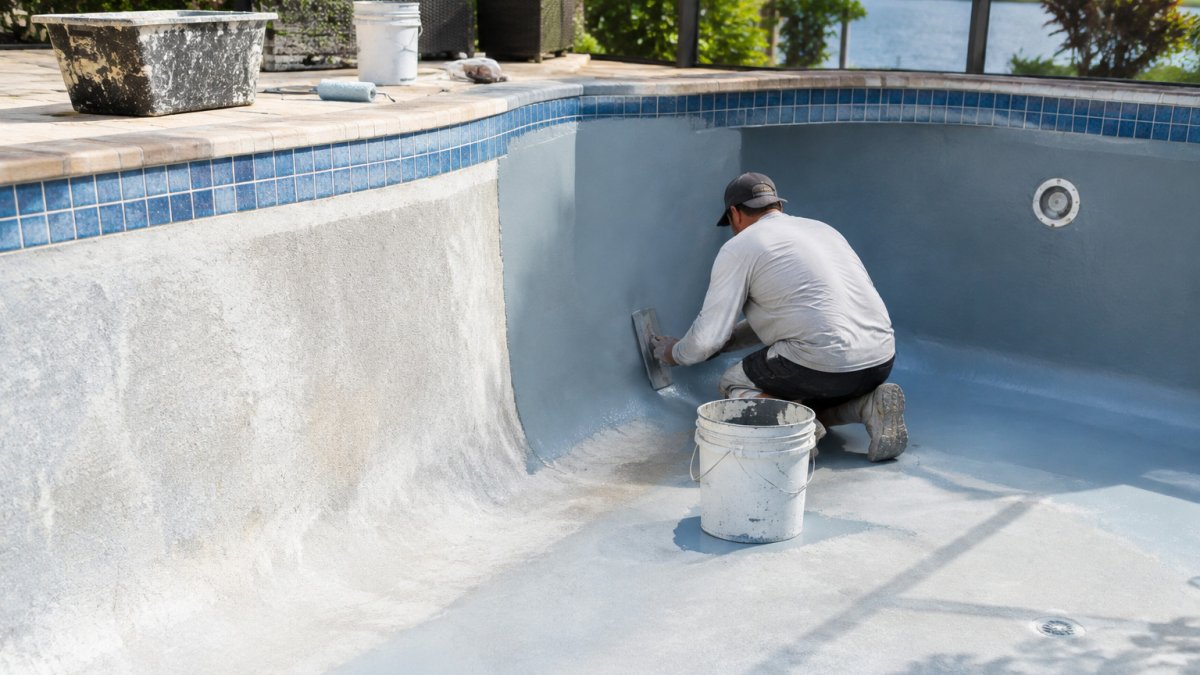
Prep and demolition are where cheap quotes hide costs. Draining, removing the old finish, and preparing the surface are labor-intensive steps. Ask each provider to explain exactly which prep steps their price includes, since a bid that skips them may not reflect the full scope of work.
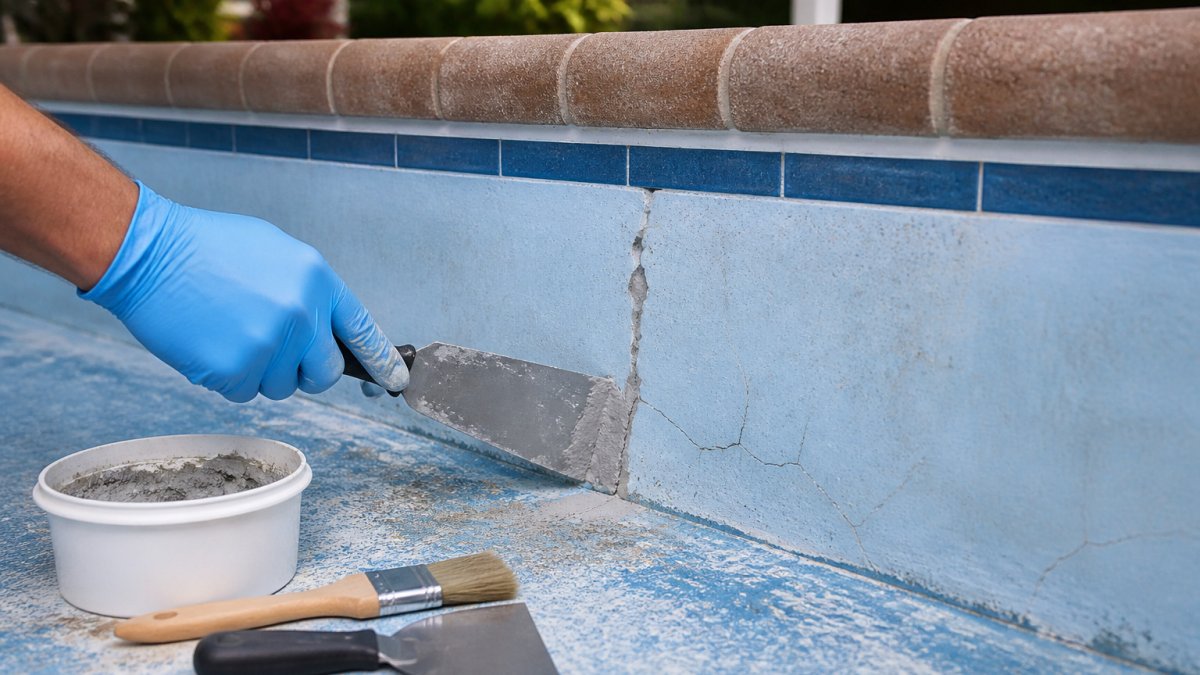
Add-on repairs compound quickly. Repairs such as crack repair, tile replacement, or coping work are sometimes needed once the pool is drained. These costs should appear as separate line items so you can decide what to do now versus later.
How to build your own ballpark before you call anyone. Measure your pool's length and width, note the average depth, and count waterline tile footage. Then ask three providers to quote the same finish on the same measurements. That single step turns a vague "affordable" question into three comparable numbers and tells you immediately whether a bid is in the market range or an outlier. For a firm figure on your specific pool, request a written estimate from PoolRepairs based on an inspection of your surface.
The article breaks the price into four levers, which are summarised below.
| Cost driver | What it affects | Why it matters |
|---|---|---|
| Surface area | Material and labor volume | Compare quotes on the same square footage |
| Finish type | Material and labor band | Premium finishes generally cost more upfront |
| Prep and demolition | Labor-intensive steps | Bids that skip prep may not reflect full scope |
| Add-on repairs | Extra line items after draining | Decide which to do now versus later |
How Pool Size and Finish Change Your Price
Pool size is one of the most direct pricing factors. A larger surface area requires more material and more labor hours, so the total cost rises with the square footage of the pool shell. Irregular shapes, deep ends, and built-in features like tanning ledges or spa attachments can also add time to the project.
Finish selection affects price as much as size does. Different finishes use different materials and require different application methods, which changes both the material cost and the labor involved. The right finish depends on your budget, your desired look, and how long you plan to keep the pool.
Comparing Plaster, Pebble, and Quartz Finishes
Plaster is a traditional finish that gives a smooth, clean surface and is widely used in residential pools.
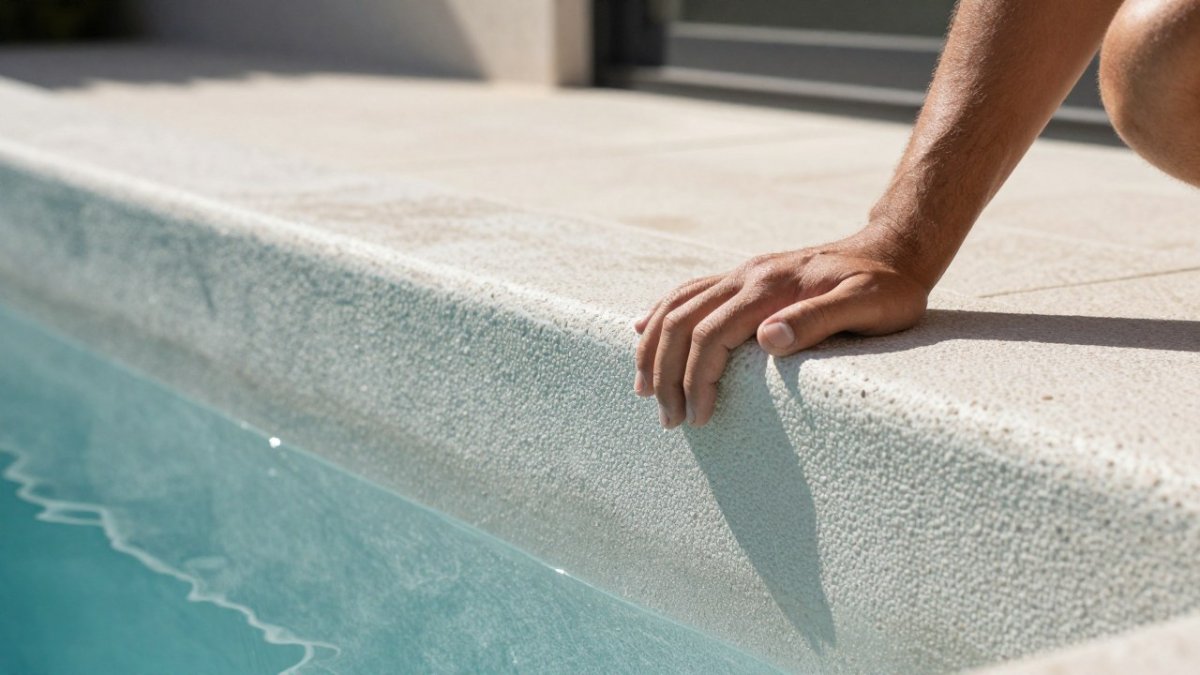
Pebble finishes contain small aggregate stones mixed into the surface, and quartz finishes use crushed quartz. Ask any provider which finishes they offer and how each is expected to perform under Florida's heat and chemical conditions.
When comparing finishes, look beyond the initial price. Ask any provider how long each finish is expected to last under Florida's heat and chemical conditions, and what maintenance it will require.
How to Evaluate a Resurfacing Quote Line by Line
A resurfacing quote is only useful if you can lay two of them side by side and see the differences. Use this checklist on every bid you receive, and mark each item as included, excluded, or unclear. Bids that leave items unclear are the ones that generate change orders later.
Scope and measurements. The quote should state the pool's measured square footage, the finish product by name and manufacturer, and the application method (for example, whether aggregate is hand-thrown or machine-applied). If the product is not named, you cannot compare material quality between bids.
Demolition and surface preparation. Confirm whether the price includes draining, full removal of the existing finish, chipping or grinding, crack repair, and debris haul-away. A recoat over a failing surface is cheaper and fails faster. Ask directly: "Is the old finish being removed down to the shell, or covered?"
Repairs and replacements. Look for separate lines for waterline tile, skimmer and return fittings, coping, and any structural crack repair. These should be priced individually so you can approve or defer each one.
Plumbing and equipment. Confirm whether the quote covers pressure-testing the plumbing while the pool is drained, and whether any equipment work (pump, filter, heater) is included or excluded. Resurfacing is a convenient time to check for hidden plumbing issues, so ask whether testing is part of the job.
Refill, startup, and chemical balancing. A complete quote states who refills the pool, who performs the initial chemical balance, and whether startup chemicals are included. Some providers exclude refill water and startup, so confirm what your quote includes.
Payment schedule. A common and reasonable pattern is a deposit at contract signing, a progress payment when the finish is applied, and a final payment after walkthrough and refill. Be cautious of any schedule that asks for most or all of the money before the finish is applied, and review the finished surface before paying the final balance.
Warranty and exclusions. Ask for the warranty in writing and separate the two kinds: the finish manufacturer's material warranty and the installer's workmanship warranty. Confirm what voids each one, poor water chemistry, failure to brush the new finish on schedule, and neglected maintenance are common exclusions, and how long each lasts.
Timeline and cleanup. The quote should state the expected number of working days, the curing period before refill, and who is responsible for cleanup and debris removal. Get the refill-and-use date in writing so you can plan around pool downtime.
Permits and licensing. Confirm whether any required permits or inspections are included and verify the contractor's license and insurance before signing. When you line up bids against this checklist, compare the scope and exclusions along with the price.
Finding Affordable Pool Resurfacing in Orlando Reviews and Local Providers
Searching for affordable pool resurfacing in Orlando reviews is a smart first step, but reviews alone can be misleading. Look for patterns across many customers rather than a single glowing or angry comment. Pay attention to whether reviewers mention clear communication, accurate pricing, and finished work that held up over time.
Compare several providers before deciding. Ask each one for an itemized estimate based on the same pool specifications, so you can see how their pricing and scope actually differ.
Checking Licensing and Local Service Areas
Before hiring anyone, verify that the contractor holds a valid license and carries liability insurance. In Florida, you can check a contractor's license status through the state's licensing database. Ask for proof of insurance and confirm that the company actually serves your area, since travel distance can affect scheduling and cost. PoolRepairs serves Central Florida, including the Disney-area corridor, communities west of Orlando, Kissimmee, Clermont, and Windermere.
Timeline, Pool Downtime, and Financing Options
Most residential resurfacing projects take several days to a couple of weeks, depending on the pool's size, the finish, and weather. Expect the pool to be out of use for that entire period, and plan around it if you rely on the pool for guests or rentals. Curing time for the new finish also matters, so ask your provider exactly when you can refill and resume normal use.
If the total cost is more than your budget allows, ask about financing. PoolRepairs offers financing options through a trusted partner, so you can discuss payment possibilities during your consultation.
Booking Your Free Estimate and Next Steps
If you're weighing whether resurfacing is worth the investment, the next step is an inspection. PoolRepairs explains the condition of your surface, the options available, and the cost involved before any work begins. You can also review our interactive before-and-after portfolio to see completed work. Contact PoolRepairs today to schedule your free estimate and get a clear answer about what your pool needs.
Frequently Asked Questions
How much does it cost to resurface a pool in Orlando?
Pool resurfacing in Orlando varies with pool size, the finish you choose, and the condition of the existing surface, so there is no single flat rate. Finish choice, pool size, and the condition of the surface all affect the total. The most reliable way to know your number is to request a quote from PoolRepairs.
How can I compare pool resurfacing estimates?
Put every estimate side by side and check that each one covers the same scope: surface removal or prep, the finish type and product brand, equipment reconnection, cleanup, and warranty terms. A lower total can hide fewer included steps. Ask each provider to explain any line item you do not understand, and confirm whether the price is locked or subject to change once work begins. Matching scopes makes the real difference between quotes visible.
What should I ask a pool resurfacing contractor before hiring?
Ask whether the contractor is licensed and insured, and whether they can show completed projects. Request a written scope of work and a clear explanation of what could change the price during the job. Ask about the expected timeline, how long the pool will be out of use, and what warranty covers the finish. PoolRepairs welcomes these questions and reviews the diagnosis and costs with you before any work starts.
How long does pool resurfacing take?
Most residential pool resurfacing jobs take several days to about two weeks, depending on pool size, weather, and the finish selected. Plaster and pebble finishes need controlled curing time before the pool can be refilled and balanced, so the pool is typically unusable for part of that window. Ask for a day-by-day timeline in your estimate so you can plan around guests, rental bookings, or family use.